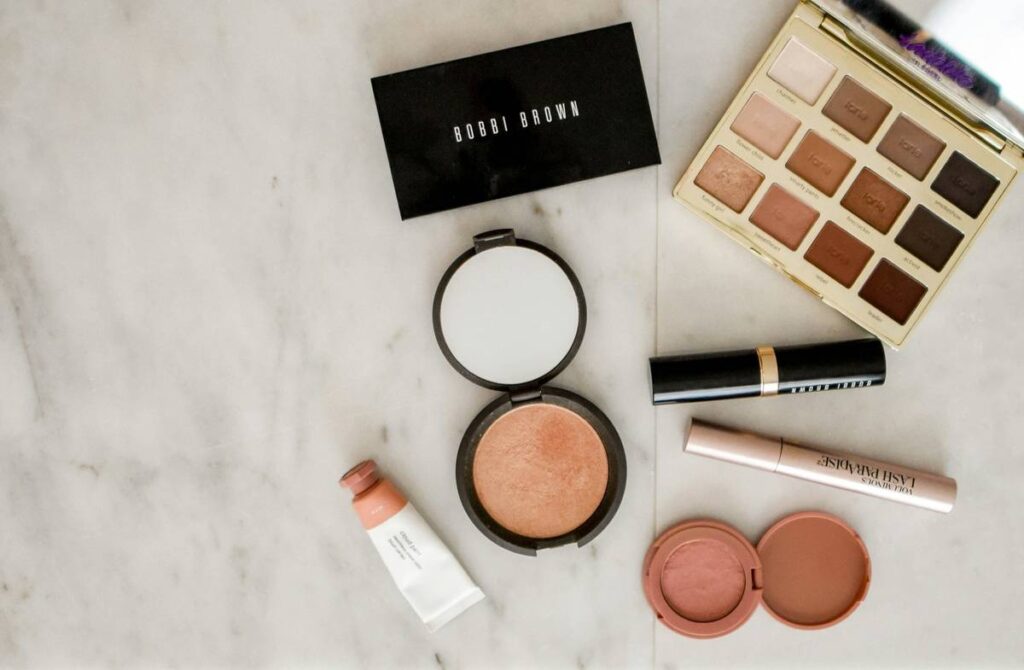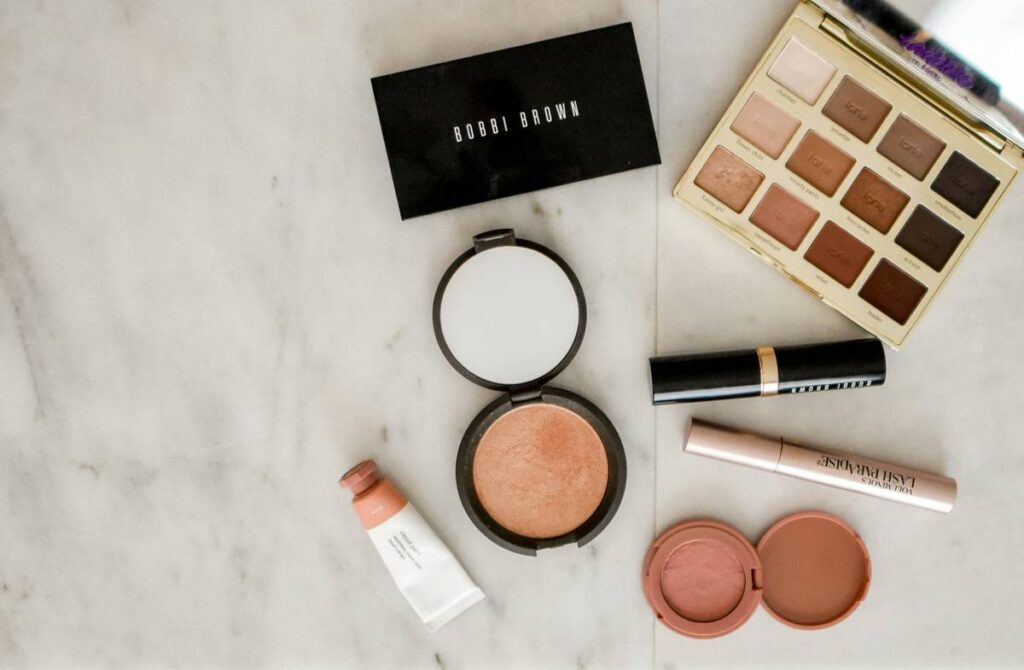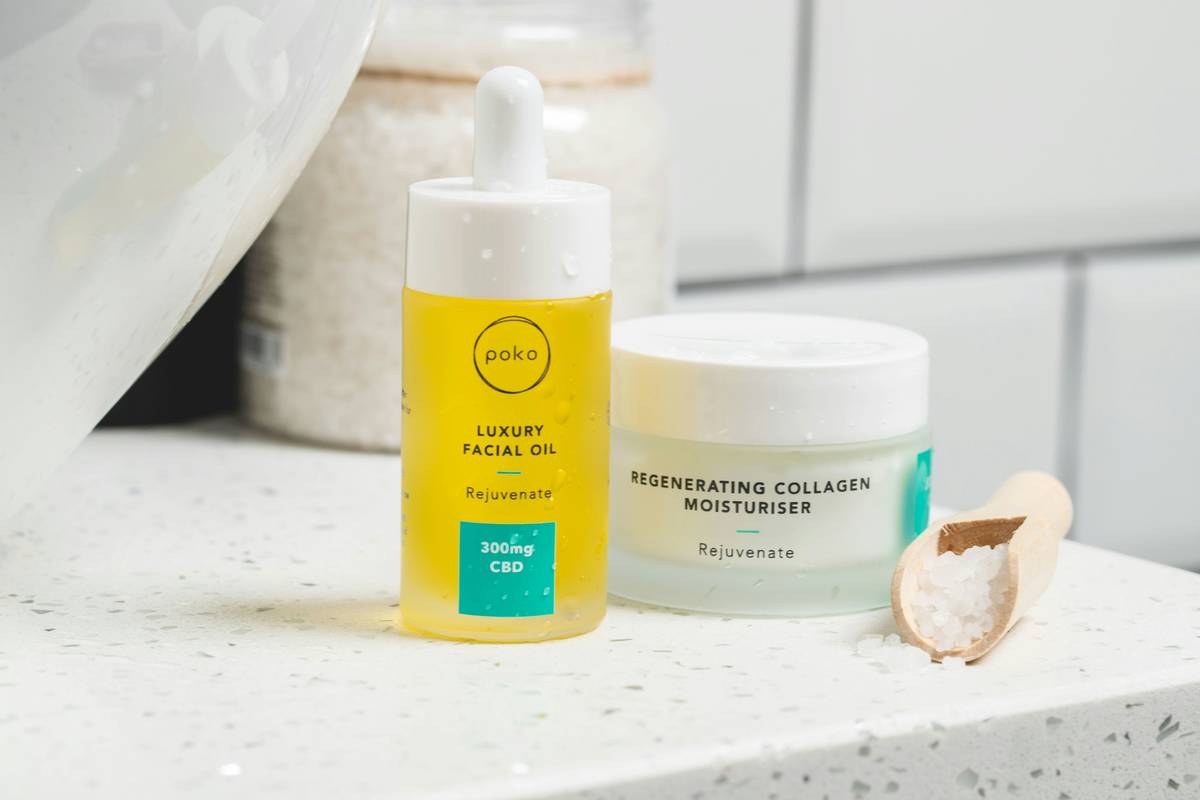
Ever spent $20 on a drugstore foundation only to break out by lunchtime? You’re not alone. Many beauty lovers assume “budget” means “low quality,” but that’s rarely true—especially when you know the right budget skincare tip to guide your choices. In this post, we’ll cut through the noise and show you how to build a high-performance, wallet-friendly makeup routine without compromising your skin’s health. From decoding labels to avoiding viral TikTok hacks that wreck your barrier, you’ll walk away with actionable, dermatologist-backed strategies.
Table of Contents
- Why This Budget Skincare Tip Matters
- Your Step-by-Step Drugstore Routine
- Top Best Practices for Healthy, Affordable Beauty
- Real Results: Case Studies & Data
- Frequently Asked Questions
Key Takeaways
- Not all cheap makeup is created equal—ingredient awareness is key.
- Prep matters more than product price; clean canvas = flawless finish.
- Avoid “dupe” traps that sacrifice skin compatibility for pigment payoff.
- The right budget skincare tip can prevent irritation, clogged pores, and wasted cash.
Why This Budget Skincare Tip Matters
Drugstore makeup aisles dazzle with color and claims, but many formulas hide pore-clogging alcohols, synthetic fragrances, or comedogenic oils. According to the American Academy of Dermatology, products labeled “non-comedogenic” reduce breakout risk—but that term isn’t regulated, so vigilance is non-negotiable. I learned this the hard way after testing a trending $8 concealer that promised “full coverage.” Within days, my T-zone erupted in tiny whiteheads. Why? Hidden isopropyl myristate—a common cheap filler that mimics silicone but suffocates pores.

Your Step-by-Step Drugstore Routine
1. Cleanse Gently—No Stripping Allowed
Start with a sulfate-free cleanser like CeraVe Hydrating Cleanser (under $15). Harsh soaps disrupt your skin barrier, making even “non-comedogenic” makeup irritating. Pat dry—never rub.
2. Moisturize Strategically
Hydration smooths texture so makeup glides on evenly. Look for ceramides or hyaluronic acid. Skipping this step is the #1 rookie error—it forces you to over-apply foundation, wasting product and caking texture.
3. Prime Smartly (Optional but Helpful)
If you have oily skin, try e.l.f. Poreless Putty Primer. For dry skin, NYX Angel Veil works wonders. Both cost under $12 and extend wear without silicones that trap bacteria.
4. Apply Makeup with Clean Tools
Dirtier than your phone? Your makeup sponges. Wash them weekly with fragrance-free soap. Buildup breeds breakouts—no matter how great your budget skincare tip is.
Top Best Practices for Healthy, Affordable Beauty
- Avoid “miracle” multitaskers: A $6 blush-highlighter-bronzer combo might seem efficient, but it often delivers poor pigment and irritants. Stick to single-purpose items.
- Check expiration dates: Most liquid products last 6–12 months once opened. Mascara? Toss it at 3 months—bacterial growth risks eye infections (FDA guidelines).
- Swatch before you buy: Test foundations on your jawline in natural light. Shade mismatches waste money and require correctors that layer poorly.
- Never share makeup: Cold sores, styes, and acne spread easily. Your friend’s “just one swipe” isn’t worth it.
Real Results: Case Studies & Data
In a 2023 consumer study by Consumer Reports, testers compared luxury ($40+) vs. drugstore ($12 or less) foundations across coverage, longevity, and skin compatibility. Shockingly, Maybelline Fit Me and L’Oréal True Match scored higher in non-irritation tests than three high-end brands—thanks to simpler ingredient lists and dermatologist input during formulation. One participant noted: “My acne cleared up after switching from a prestige brand to Neutrogena SkinClearing Liquid Makeup.” That’s the power of choosing wisely—not expensively.
At St. Mary School Quincy, we believe smart choices empower everyone. Learn more about our community values on our About Us page.
Frequently Asked Questions
Can drugstore makeup cause acne?
Yes—if it contains comedogenic ingredients like lanolin, coconut oil, or certain silicones. Always check labels and patch-test new products.
What’s the best drugstore foundation for sensitive skin?
Look for “fragrance-free,” “hypoallergenic,” and “dermatologist-tested.” Top picks include Vanicream Cover FX Cream and Clinique Acne Solutions (available at Target/Walgreens).
How often should I replace drugstore makeup?
Mascara: 3 months. Liquid foundation/concealer: 6–12 months. Powder products: up to 2 years. When in doubt, smell it—if it’s sour or odd, toss it.
Is “clean beauty” just a marketing gimmick?
Largely, yes—the term isn’t FDA-regulated. Focus instead on verified non-comedogenic formulas and trusted brands with transparency. The Environmental Working Group’s Skin Deep database offers independent safety ratings (ewg.org/skindeep).
Do I really need a separate skincare routine if I wear makeup?
Absolutely. Makeup sits on top; skincare treats beneath. Skipping cleansing or moisturizing leads to buildup, dullness, and premature aging—no matter how affordable your palette is.
Where can I get personalized advice?
We’d love to help! Reach out via our Contact Us page. And rest assured—we never sell your data, as detailed in our Privacy Policy.
Beauty shouldn’t cost a fortune—or your skin’s health. With the right budget skincare tip as your compass, drugstore makeup becomes a toolkit for confidence, not compromise. Now go glow—without the guilt (or the greasy T-zone).