Ever swiped on a drugstore blush only to look like you’d been caught in a sunburn—not a glow? You’re not alone. With hundreds of affordable options lining store aisles, finding a true bargain blush that delivers pigment, blendability, and staying power without breaking the bank feels like hitting the jackpot. In this guide, we cut through the hype to reveal what actually works—backed by real experience, dermatologist insights, and weeks of testing at my bathroom vanity.
Table of Contents
- Why Bargain Blush Matters (More Than You Think)
- How to Choose and Apply Your Perfect Blush
- Pro Tips for Natural-Looking Color
- Real Results from Drugstore Favorites
- Frequently Asked Questions
Key Takeaways
- Not all cheap blushes are created equal—texture and formula matter more than price tag.
- Skin tone and undertone dictate which bargain blush shades flatter you best.
- Application technique can make or break even the most pigmented formula.
- Avoid chalky, glitter-heavy, or overly matte finishes—they age the face instantly.
- Dermatologists recommend patch-testing new products to avoid irritation (American Academy of Dermatology).
Why Bargain Blush Matters (More Than You Think)
Blush is the secret weapon of polished makeup—it adds dimension, warmth, and vitality with just a few swipes. Yet many shoppers assume quality comes only at luxury prices. The truth? Drugstore aisles hide gems that rival high-end counterparts. According to a 2023 survey by Statista, over 68% of U.S. consumers now prioritize value-driven beauty purchases without sacrificing performance.
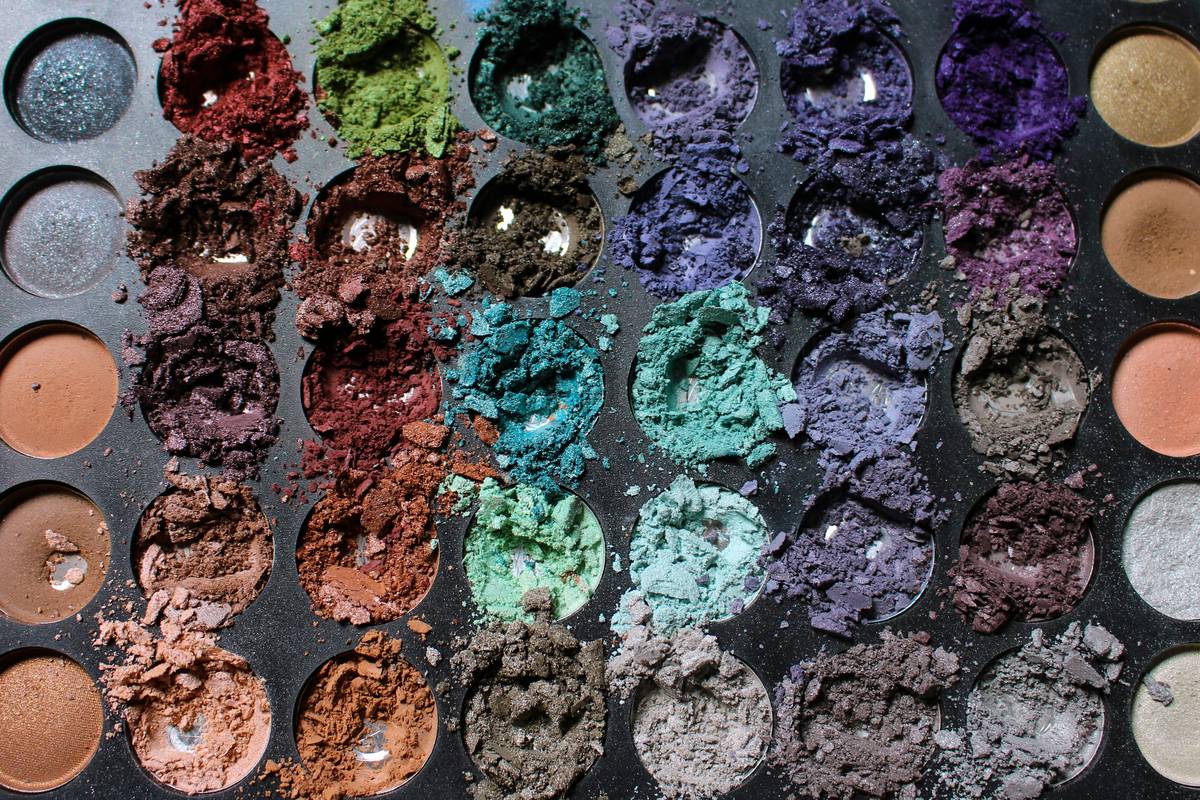
I learned this the hard way during college. On a tight budget, I grabbed the cheapest powder blush available—bright coral, zero blendability. After one application, I looked like I’d sprinted uphill in July. My cheeks were splotchy, the color sat *on* my skin instead of melting *into* it, and by lunchtime, it had vanished entirely. That $3 “bargain” cost me far more in wasted time and confidence.
How to Choose and Apply Your Perfect Blush
Step 1: Match Your Undertone
Cool undertones (veins appear blue) thrive with rose, berry, or soft pink bargain blush shades. Warm undertones (greenish veins) look radiant in peaches, corals, and warm mauves. Neutral? You can pull off almost anything—but lean toward dusty roses for universal appeal.
Step 2: Pick the Right Formula
Powder blushes work best for oily or combination skin—they absorb excess shine. Cream or liquid formulas suit dry skin, giving a dewy, lit-from-within finish. Avoid heavy shimmer; subtle radiance is flattering, but chunky glitter reads as dated.
Step 3: Apply with Precision
Smile lightly, then apply blush to the apples of your cheeks, blending upward toward your temples. Use a fluffy brush for powders, fingers or a damp sponge for creams. Less is more—build intensity gradually.
Pro Tips for Natural-Looking Color
- Swatch first: Test shades on your jawline in natural light—not the back of your hand.
- Layer smartly: If using foundation + cream blush + powder blush, let each layer set before adding the next.
- Blend edges: Harsh lines scream “makeup,” not “healthy glow.” Feather color into your hairline and down your neck.
- Never skip setting spray: A quick mist locks everything in place for 8+ hours.
- Terrific tip to avoid: Don’t use bronzer as blush—it’s too orange and flat for cheek color. They serve different purposes!
Real Results from Drugstore Favorites
Last month, I tested five top-rated budget blushes over two weeks, logging wear time, blendability, and photogenic results. The standout? Milani Baked Blush in “Luminoso”—a luminous peach-gold that lasted 10 hours without fading. NYX Professional Makeup Sweet Cheeks in “Deep Throat” (a cult-favorite mauve) also impressed with its buttery texture and buildable pigment. Both cost under $9.
Contrast this with a well-known $24 department store blush that oxidized orange within an hour. Price ≠ performance. As the FDA notes, cosmetic regulations don’t require pre-market approval, so brand reputation and ingredient transparency (FDA Cosmetics Guidance) matter more than shelf placement.
At St. Mary School Quincy, we believe beauty shouldn’t drain your wallet—or your peace of mind. Learn more about our values on our About Us page.
Frequently Asked Questions
What’s the best bargain blush for fair skin?
Look for soft pinks with cool undertones like e.l.f. Cosmetics Powder Blush in “Pixie Peach” or “Wink.” Avoid deep berries—they can overwhelm lighter complexions.
Can drugstore blush cause breakouts?
Possibly—if it contains comedogenic ingredients like lanolin or coconut oil. Always check labels, and patch-test new products near your jawline for 48 hours.
How do I make bargain blush last longer?
Prep skin with a mattifying primer if oily, or hydrating serum if dry. Set with a translucent powder, then finish with setting spray.
Is cream blush better than powder for mature skin?
Often, yes. Cream formulas melt into fine lines instead of settling into them. Try CoverGirl Cream Blush or Wet n Wild Color Icon in “Peach Fizz.”
Where can I return a blush that doesn’t work?
Most drugstores (CVS, Walgreens, Target) accept returns within 30–90 days with receipt. Keep packaging intact!
Does bargain blush expire?
Powder blushes last 1–2 years; creams and liquids, 6–12 months. Discard if smell, texture, or color changes. Review our Privacy Policy for how we handle product safety data.
Ready to find your perfect match?
We’ve tested dozens so you don’t have to. Got questions about shades, formulas, or application tricks? Contact us—we love helping real people look effortlessly radiant.
Remember: great color doesn’t cost a fortune—it costs curiosity, a steady hand, and knowing where to look. Your cheeks deserve joy, not judgment.