Finding a cheap foundation that doesn’t cake, oxidize, or vanish by lunch feels impossible. You’ve tried drugstore staples only to end up with patchy coverage or an ashy mess—especially if your skin tone falls outside the “standard” range. But here’s the twist: affordability and performance aren’t mutually exclusive. The right techniques and insider picks can give you flawless results without draining your wallet.
Why Most Cheap Foundation Choices Fail
Most budget foundations fail because they’re engineered for shelf appeal—not real skin. Brands cut corners on pigment dispersion, relying on fillers like talc or mica that sit on top of skin rather than blending in. And lighting in stores? It hides everything until you step outside.
But it’s worse for deeper or olive undertones. Many drugstore lines still offer 10 shades that are basically beige variants. You match in artificial light, then walk into daylight looking like… someone else entirely.
Your Step-by-Step Guide to Choosing & Using Cheap Foundation
Test Like a Pro—Not a Shopper
Never swatch on your hand. Your jawline is the true testing ground. Apply three dots in natural light, wait 10 minutes—oxidation happens fast—and check under different lighting conditions. If it disappears into your skin? You’ve won.
Prep Is Non-Negotiable
A $6 foundation on dry, flaky skin will look expensive—in the worst way. Hydrate first. Use a lightweight moisturizer, let it absorb, then apply a blurring primer only where needed (usually T-zone). Skipping this step sabotages even high-end formulas.
Application Method Matters More Than Price
Here’s where most go wrong: slapping on product with fingers or a crusty sponge. The tool changes everything. A damp beauty blender gives sheer, skin-like coverage. A dense buffing brush builds without streaks. And never—ever—apply straight from the bottle.
| Application Method | Coverage Level | Best For | Cost Impact |
|---|---|---|---|
| Fingers | Sheer to light | Quick routines, dry skin | $0—but inconsistent |
| Damp Beauty Blender | Medium, natural | Most skin types, everyday wear | $5–$8 (lasts months) |
| Dense Kabuki Brush | Full, airbrushed | Oily/combination skin | $7–$12 (one-time buy) |
The Industry Secret: Batch Reformulation Is Real
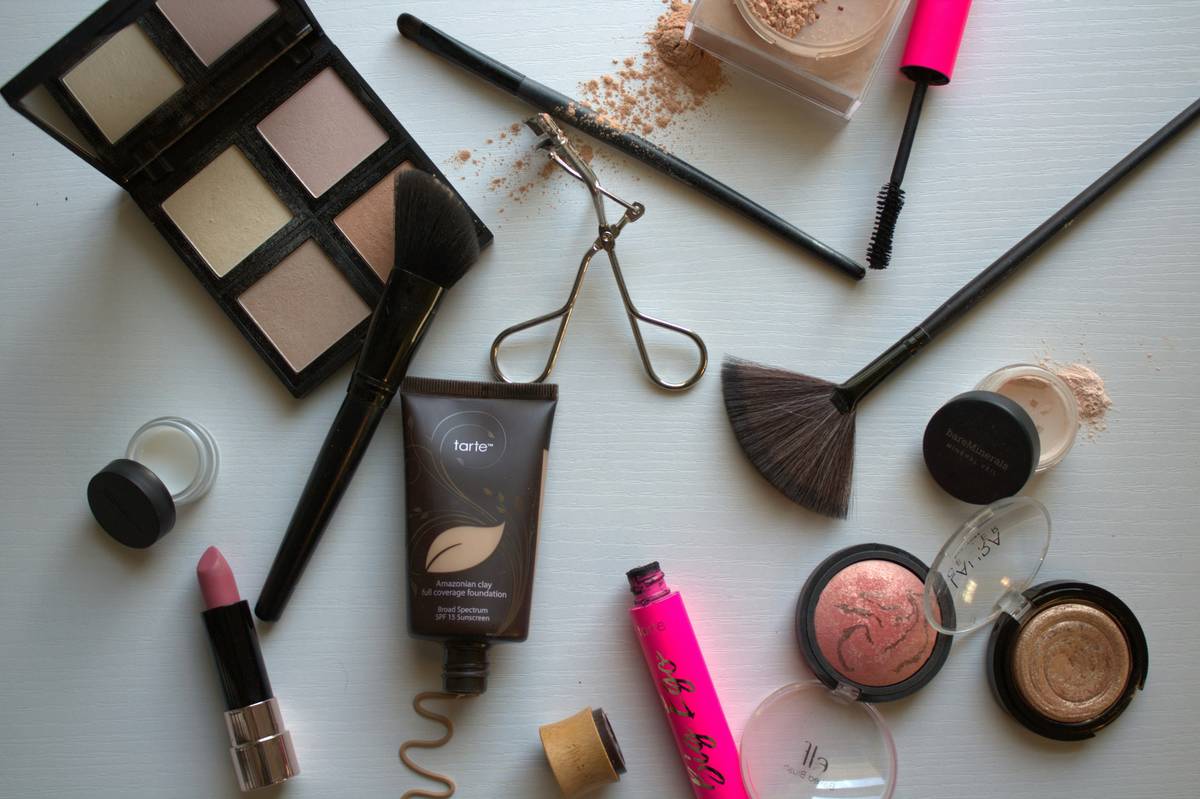
Here’s what brand reps won’t tell you: many cheap foundation formulas get quietly reformulated every 12–18 months—same packaging, different ingredients. A shade that worked last year might now pull orange or feel chalky. Always check the batch code (usually on the bottom) and cross-reference it with community databases like MakeUpAlley or Reddit’s r/MakeupAddiction. One user recently flagged that Maybelline Fit Me’s 220 moved from golden beige to cool beige mid-2023—without warning. Your perfect match isn’t static. Stay vigilant.
Frequently Asked Questions
Does cheap foundation clog pores?
Not inherently. Look for “non-comedogenic” on the label—and avoid formulas heavy in coconut oil or lanolin. Most modern drugstore brands avoid pore-clogging agents.
Can I mix two cheap foundations to get a better shade match?
Absolutely. Blend adjacent shades on your hand first. Add a drop of moisturizer to thin it out if needed. This trick saves money and customizes coverage.
How long does cheap foundation last once opened?
6–12 months. Water-based formulas degrade faster. If it smells sour or separates irreversibly, toss it—no matter how little is left.